Guide to Biodegradable Glitter: Eco-Friendly Trends, Authenticity Verification, Industry Benchmark——Bioglitter®
In relevant EU documents, microplastics are defined as synthetic polymers measuring less than 5 millimeters in size that are organic, insoluble in water, and resistant to degradation.
Currently, microplastics have been detected in marine, freshwater, and terrestrial ecosystems. Due to their non-biodegradable nature, they can enter the human body through the food chain. In fact, studies have already found the presence of microplastics in human blood, lungs, and brain.
–

–
Therefore, in the interest of protecting the natural environment as well as safeguarding human health, the European Union introduced Commission Regulation (EU) 2023/2055 ( hereinafter referred to as the “Microplastics Restriction” ). This ban covers products such as glitter or microbeads in cosmetic and beauty products, granular infill materials used on sports surfaces, detergents and polishes containing microplastics.
Under this regulation, the EU has, since 17 October 2023, imposed a comprehensive ban on the use of plastic glitter in cosmetic products, while biodegradable, soluble, and naturally derived glitter remain unrestricted.

–
With the advancement of science and technology and deepening research, the harm posed by “microplastics” is becoming increasingly evident. In response, the European market has already taken a pioneering step forward. Taking this as a signal, we have reason to believe that the global mainstream glitter market is shifting toward eco-friendly alternatives as an inevitable trend.
Regarding biodegradable glitter, a crucial point to understand is that “Biodegradable” does not equal “Degradable in natural environments.”
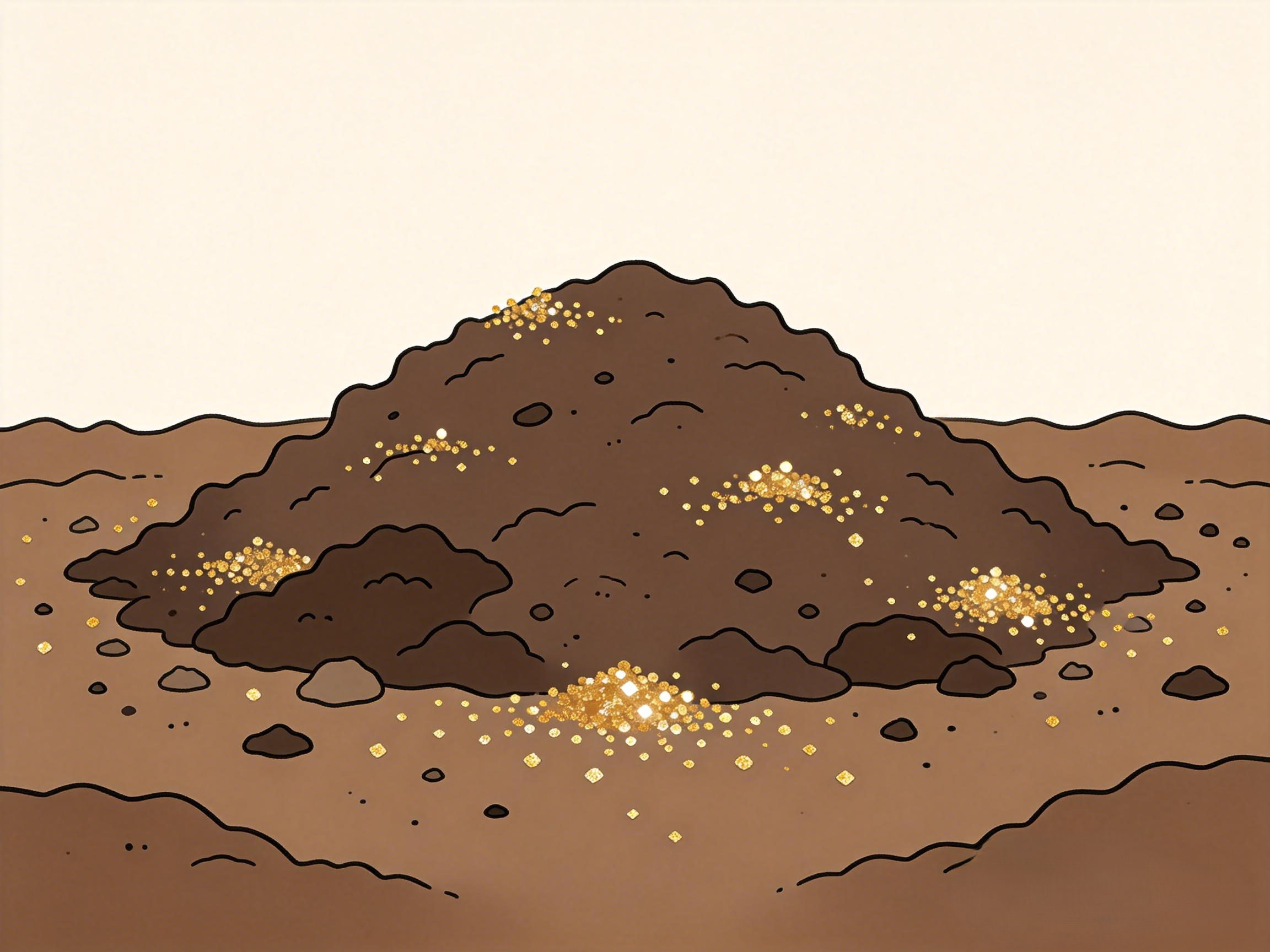
Take PLA (polylactic acid) as an example: its degradation rate depends on three factors—high temperature, high humidity, and microbial activity. In industrial composting conditions, PLA degrades relatively quickly. However, in natural environments such as oceans, forests, or lakes, its degradation rate is extremely slow, and its impact can be indistinguishable from that of conventional plastics.
–
For glitter made from such materials, if it enters the natural environment after use but cannot degrade safely and effectively, it does not represent true environmental friendliness.
Under the influence of factors such as degradation time, degradation environment, and degradation rate, the concept of “biodegradable” has become a complex and specialized subject. Some manufacturers may intentionally or unintentionally exploit consumers’ lack of knowledge in this area to promote their products with misleading claims.
Therefore, for biodegradable glitter, one of the core attributes should be its degradation performance in natural environments—especially in freshwater, soil, and seawater scenarios.
It is precisely on this point that the EU’s Microplastics Restriction provides five sets of testing methods simulating different natural environments (freshwater, sludge, soil, sewage, and seawater). Glitter that passes any one of these tests can obtain biodegradable certification.
For consumers or brands seeking to purchase eco-friendly biodegradable glitter, verifying the product’s certifications is a convenient method of assessment. Relevant certifications include:
–

- Compliance with the EU Microplastics Regulation (allowing production and sale in the EU market)
- TÜV Austria OK Biodegradable WATER (biodegradable in freshwater environments)
- TÜV Austria OK Compost INDUSTRIAL (biodegradable in industrial composting environments)
- EN 13432 (biodegradable in industrial composting environments)
The World’s Leading Naturally Biodegradable Glitter Brand – Bioglitter®
Although the concept of biodegradable glitter has only gained popularity in recent years, Germany’s SiLi GmbH began researching biodegradable glitter as early as 2010, subsequently launching the biodegradable glitter brand Bioglitter®.
At the same time, SiLi is not content with solely biodegradable properties. Building on this foundation, the company has developed three distinct product lines tailored to different needs in cosmetic and makeup applications:
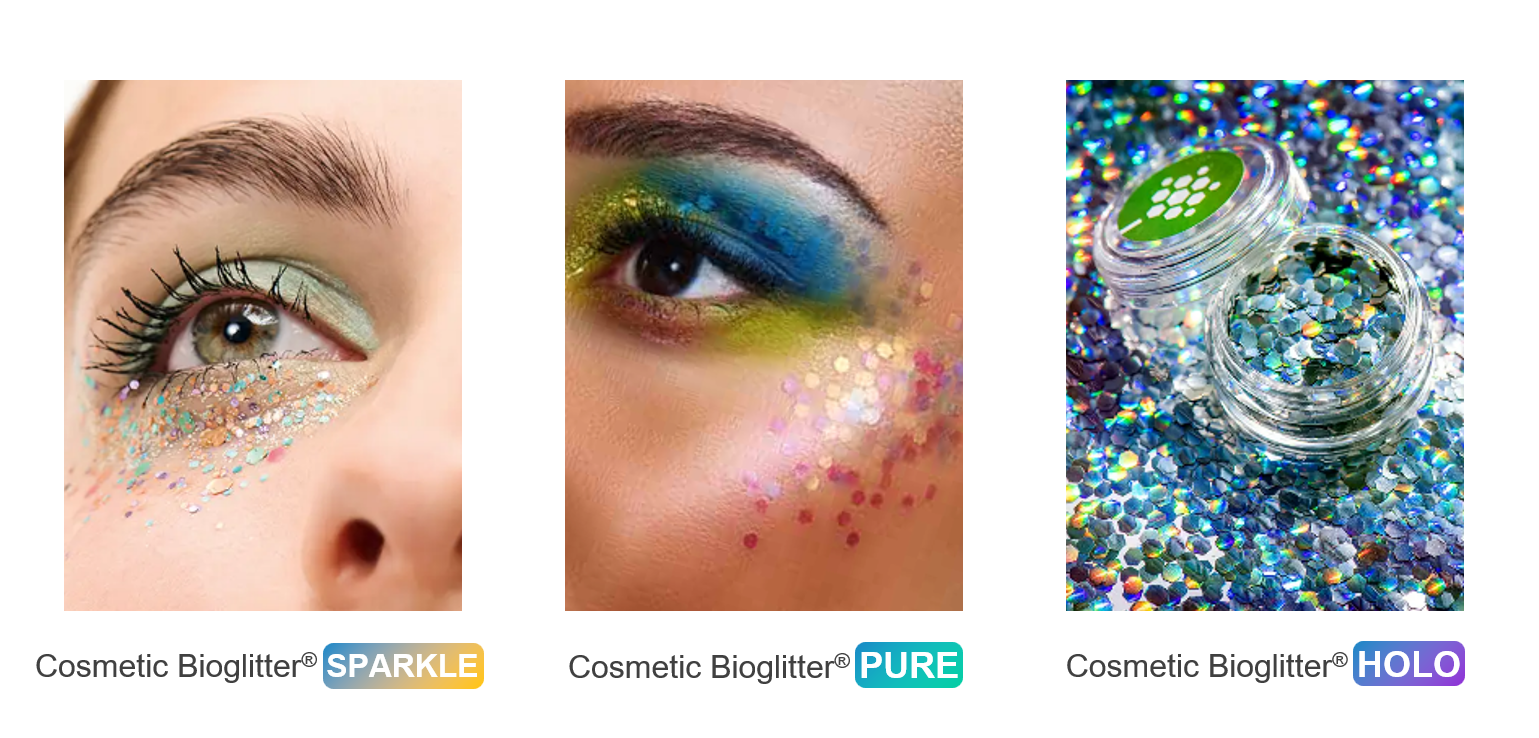
Cosmetic Bioglitter® SPARKLE
Delivers a metallic effect, suitable for various cosmetics, makeup products, and leave-on applications.
Cosmetic Bioglitter® PURE
Offers metallic, pearlescent, and soft-focus finishes. Contains no aluminum, making it suitable for cosmetics, eye makeup, soaps, and lip products (compliant with US standards).
Cosmetic Bioglitter® HOLO
Provides a holographic rainbow luster with a soft texture, ideal for cosmetics, nail art, and body or facial art applications.
All three series are biodegradable glitter and share additional characteristics such as low heavy metal content (antimony ≤ 0.5 ppm), absence of allergens, and compliance with cosmetic standards in multiple countries. For different product formulations—water-based, oil-based, or anhydrous—Bioglitter® offers various series to ensure stability during use and storage.
As a professional supplier of pharmaceutical and cosmetic raw materials and excipients in China, GenCloud has established a deep partnership with SiLi, dedicated to providing safe, eco-friendly, and high-performance biodegradable glitter to cosmetics manufacturers across the country.
If you have related needs or would like to learn more, please feel free to contact us—especially if you are a cosmetics brand planning to expand into the European market. Our biodegradable glitter offers significant compliance advantages in this regard.